Rising ad costs do not automatically mean your audience is tired of the creative. The offer may have changed, the website may be failing, or your reporting may be counting a different outcome.
Investigate social media ad fatigue when repeated exposure accompanies weaker audience response and worsening business results. Treat that pattern as a hypothesis to test. Check measurement, delivery, and the destination before ordering a complete creative replacement.
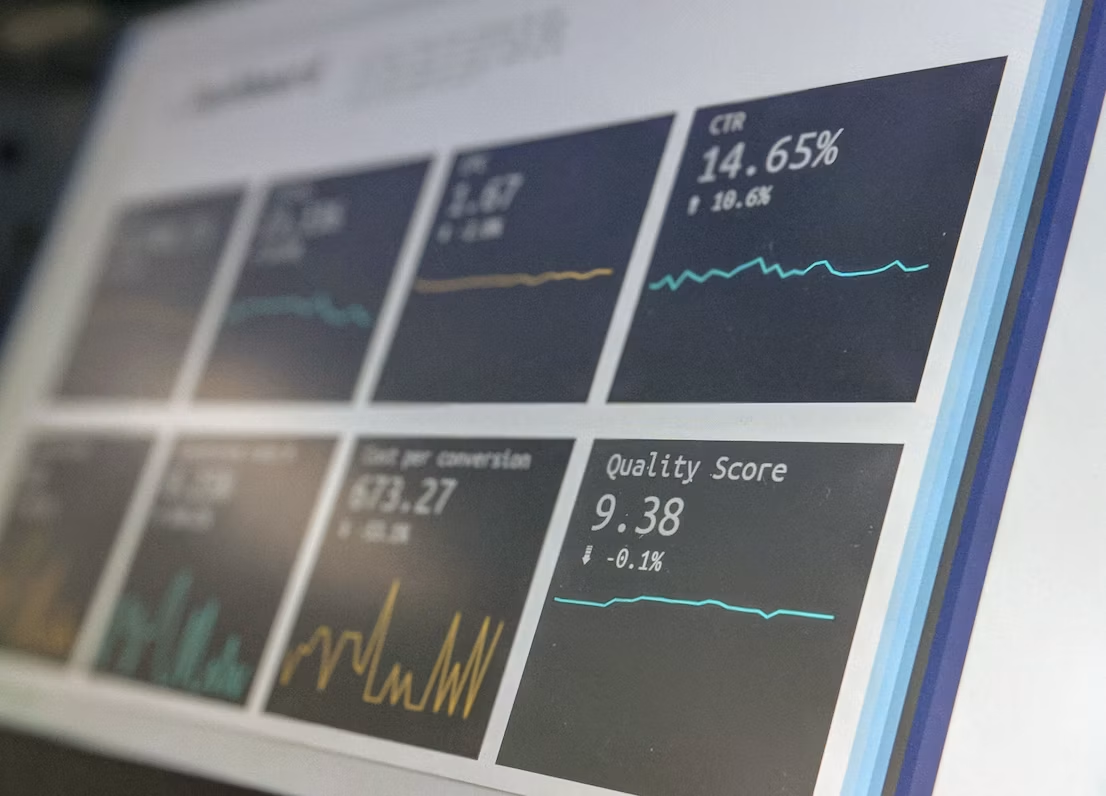
Define social media ad fatigue before acting
Write down what deteriorated: qualified leads, purchases, enquiry rate, or the cost of reaching suitable customers. Then identify the ads, audiences, placements, and time periods affected. A campaign-wide average can hide a problem concentrated in one creative or a change affecting every destination.
Ad frequency describes average exposure in a defined period; it does not describe each person’s experience. An average of four can include people who saw the ad once and others who saw it repeatedly. Compare the same reporting windows and definitions.
Omnicom Media’s discussion of frequency stresses that appropriate repetition depends on the objective, environment, and audience. Its strategic guidance does not establish a universal threshold for your business.
Check three competing explanations
The measurement changed
Look for a recently edited event, duplicated purchase count, missing form event, consent change, or reporting-window difference. Compare with actual enquiry or order records. A tracking problem needs a tracking repair; a fresh video will not restore missing events.
The destination or offer changed
Test the page, stock or availability, prices, booking route, and enquiry delivery. Record whether the service is still available to the advertised audience. If several otherwise different ads deteriorated at the same time, a shared destination or business change deserves attention.
Response weakened with repeated exposure
Compare exposure alongside relevant response measures and customer outcomes. For creative fatigue, look for a developing pattern rather than one bad day. Read comments for confusion or frustration, but do not treat a vocal minority as a representative survey.
A hypothetical campaign might retain its click response while qualified enquiries fall after a service-area change. That points toward targeting or offer fit before fatigue. Another might show weaker response to one familiar creative while a different explanation of the same offer still attracts suitable prospects. That supports a focused creative test.
Refresh the explanation with a testable purpose
Choose what the replacement should teach or demonstrate. A new customer question, a clearer service-fit example, or a demonstration can create a meaningful variation. Merely changing a background color may leave the explanation unchanged.
Keep the essential service facts and offer terms consistent. If you change the audience, offer, page, and creative at once, record that you are testing a broader strategy rather than isolating creative fatigue. Define the spending limit and evaluation date with the person responsible for the campaign.
An illustrative test brief could read: show property managers which maintenance requests fit the service; compare a short demonstration with the existing general introduction; evaluate qualified enquiries and complete cost. That is a test design, not a prediction of better results.
Interpret improvement cautiously
Record the original creative, delivery context, changed elements, and outcomes. A better result may support continuing the variation, but it does not prove repetition was the only cause of the earlier decline. Audience mix, competition, and timing can also shift.
When data is sparse, extend the observation period where commercially reasonable or use customer feedback and task checks to narrow the next decision. Avoid automatic refresh calendars that spend production time without a defined problem.
Build prevention into the production plan
Maintain a small queue of approved ideas with different customer questions, examples, and formats. Assign an owner to review audience response and to check the website destination when results change. Keep source material and permissions available so a refresh does not become a rushed factual compromise.
Blakk Brikk’s social media marketing services explain how content and production responsibilities are scoped; paid campaign management requires explicit agreement. If the real problem is the customer journey, discuss the campaign and website together before buying more creative.
Editorial note on social media ad fatigue: This article was researched and drafted with AI assistance. Cited research and illustrative examples are identified in the text.